The Ultimate Mechanical Anchor Bolts vs Chemical Anchor Bolts Selection Guide
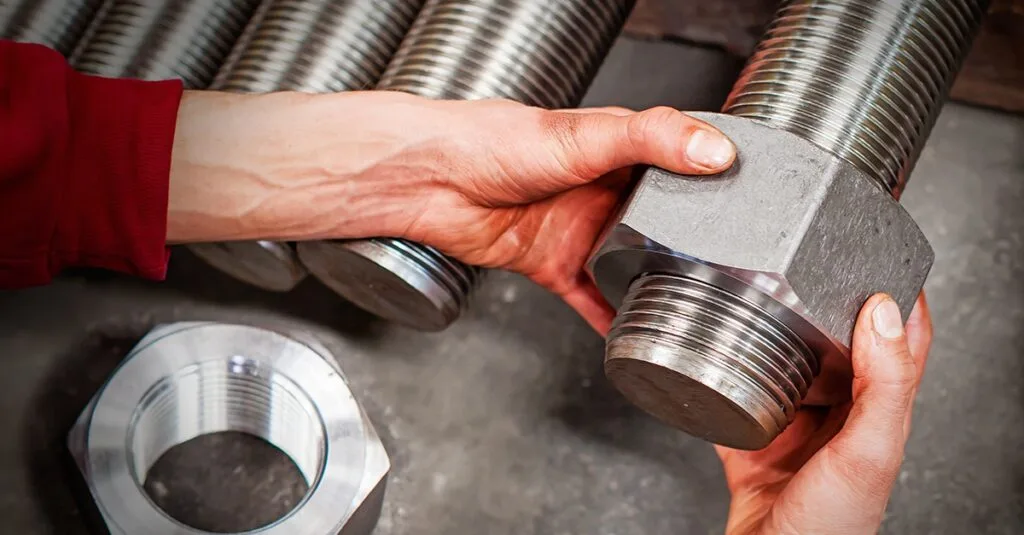
When it comes to securing structures to concrete via anchor bolt, two popular choices dominate the industry: mechanical anchor bolts and chemical anchor bolts. Selecting the right option can significantly impact structural integrity, load-bearing capacity, and long-term performance. This guide will break down the differences, advantages, and best use cases for both, helping you make an informed decision.
What are Anchor Bolts?
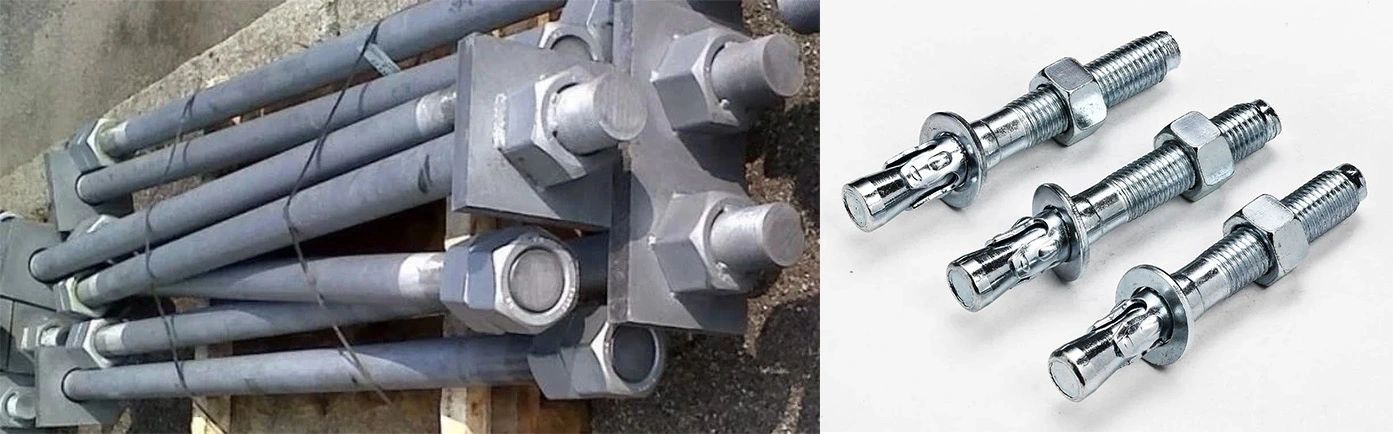
Anchor bolts are mechanical fasteners that secure structural elements to concrete. They come in various types, including:
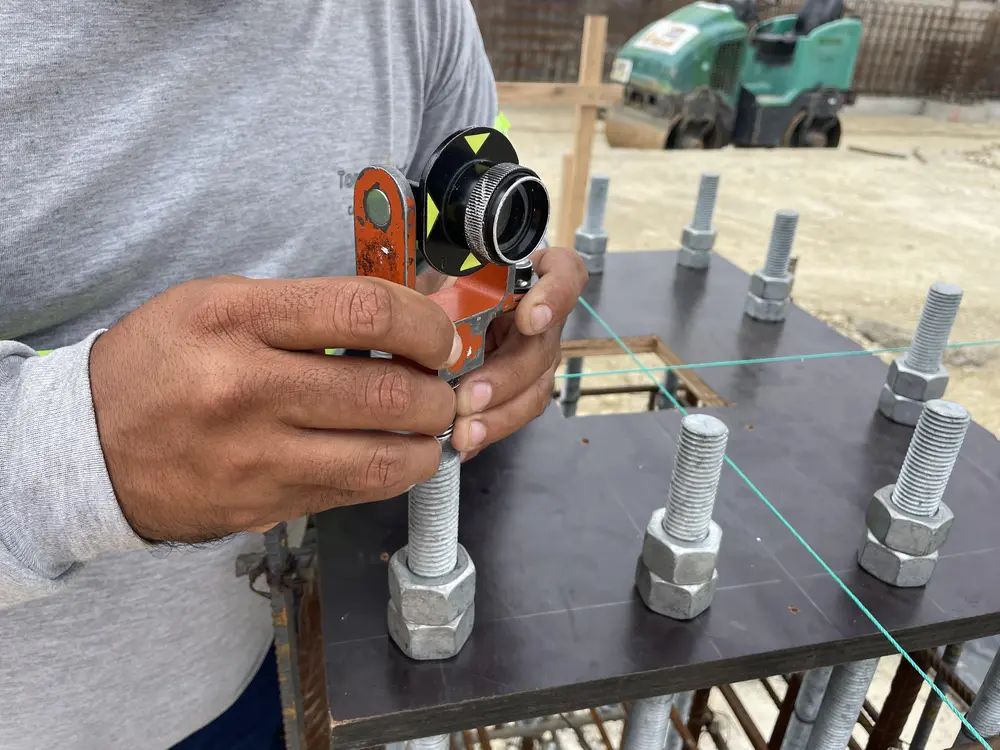
- Cast-in-place anchor bolts – Installed before the concrete is poured.
- Expansion anchor bolts – Post-installed anchor. Expand when tightened, securing them in pre-drilled holes.
- Sleeve anchors – Post-installed anchor. Utilize a metal sleeve to grip the concrete surface.
- Wedge anchors – Post-installed anchor. A mechanical expansion anchor with high load capacity.
Advantages of Mechanical Anchor Bolts:
- High load-bearing capacity
- Better Pull out strength
- Immediate load application after installation
- Reliable for heavy-duty applications
- Cost-effective for standard installations
Limitations:
- Limited adjustability once installed
- Requires precise hole sizing
- May weaken over time due to vibrations or environmental factors
What are Chemical Anchor Bolts?
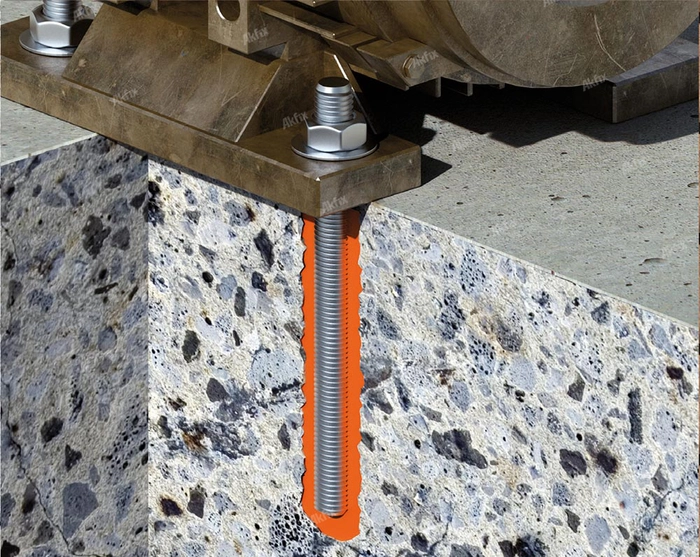
Chemical bolts or rods (also known as epoxy anchors or bonded anchors) involve inserting a threaded rod or rebar into a drilled hole filled with a chemical adhesive, typically epoxy, polyester, or vinyl ester resin.
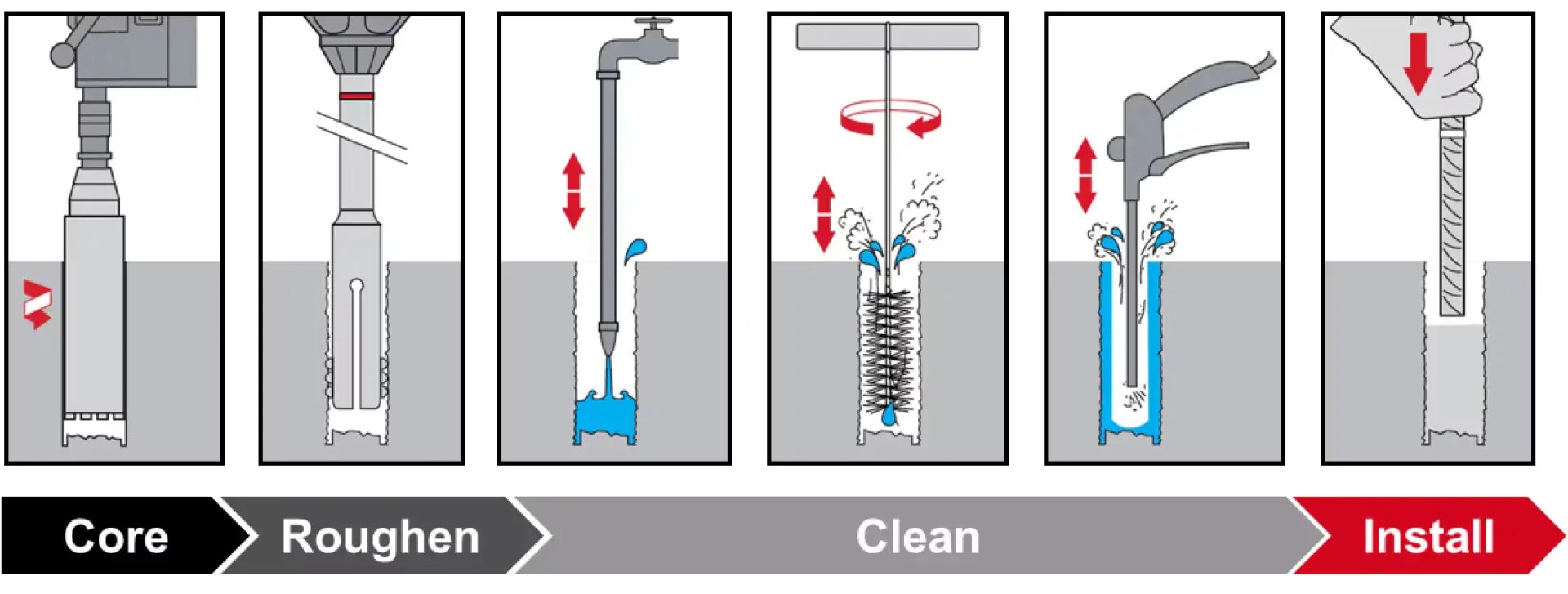
Advantages of Chemical Bolts:
- High strength and superior adhesion to concrete
- Adjustable during installation for better alignment
- Works well with close edge distances and reduced spacing
- Resistant to environmental factors like moisture and chemicals
Limitations:
- Requires curing time before load application
- May yield lower pull out strength, depending on epoxy or chemical
- More expensive than mechanical anchors
- Sensitive to installation conditions like temperature and humidity
Mechanical Anchor Bolts vs Chemical Bolts: Head-to-Head Comparison
| Feature | Mechanical Anchor | Chemical Anchor |
|---|---|---|
| Load Capacity | High | Higher, depending on chemical strength |
| Installation | Quick, but less flexible | Requires curing, more adaptable |
| Edge Distance & Spacing | Requires proper spacing and edge distance | Works well in tight spaces |
| Environmental Resistance | May corrode over time | Resistant to moisture and chemicals |
| Cost | Generally cheaper | More expensive due to adhesive cost |
| Vibration Resistance | Can loosen over time | Stronger bonding reduces loosening |

When to Use Mechanical Anchor Bolts vs Chemical Bolts?
Choose Mechanical Anchor Bolts If:
- Immediate load application is required
- The installation environment is dry with low chemical exposure
- Cost is a primary concern
- The structure requires high pull-out strength
- Edge distance and spacing is not a major concern
Choose Chemical Rods If:
- Higher bond strength and durability is required
- The structure is in a high-moisture or chemical-exposed environment
- Limited edge distance and spacing
- Adjustability during installation is required
Conclusion
Both mechanical anchor bolts and chemical anchor bolts have their place in construction and engineering. If you need an affordable, quick-installation solution for general applications, mechanical anchor bolts are a solid choice. However, for superior strength, longevity, and resistance to harsh conditions, chemical bolts are the best option.
Ultimately, selecting the right solution depends on the specific needs of your project. Consult with structural engineers to ensure compliance with safety codes and load-bearing requirements.
Comments (0)
Leave a Comment